Green Corporate Stationery: A Sustainable Approach to Professional Branding
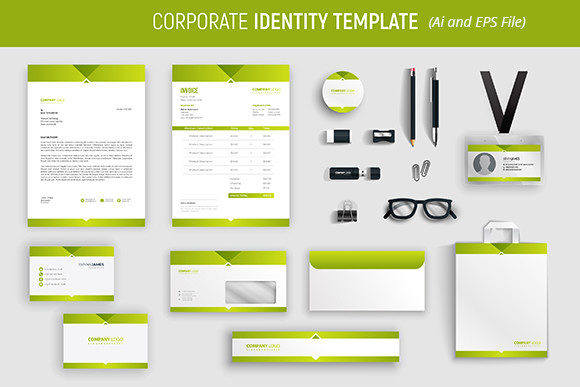
Corporate stationery is more than just a collection of business cards and letterheads—it's a powerful tool for communication, branding, and professionalism. In today’s environmentally conscious world, many organizations are turning to green corporate stationary as a way to align their visual identity with their commitment to sustainability. Green corporate stationary not only reflects an eco-friendly ethos but also enhances brand image while being cost-effective and practical for everyday use.
What Is Green Corporate Stationery?
Green corporate stationery refers to the design and production of professional documents, logos, and marketing materials using sustainable practices and materials. This includes everything from business cards and brochures to envelopes, presentation folders, and even digital templates. The term “green” in this context emphasizes environmental responsibility, such as using recycled paper, soy-based inks, and energy-efficient printing methods.
Key Elements of Green Corporate Stationery
- Business Cards: Made from recycled or plant-based materials, these serve as a physical representation of your company’s green values.
- Letterhead and Envelopes: Designed with minimalist aesthetics and printed on eco-friendly paper to reduce waste and carbon footprint.
- Brochures and Flyers: Often created using digital tools like Adobe Illustrator, allowing for easy customization and print-ready output.
- Email Signatures: A digital extension of traditional stationery, ensuring consistent branding across all communication channels.
- Presentations and Reports: Professionally formatted using templates that support quick editing and maintain brand integrity.
Advantages of Using Green Corporate Stationery
Adopting green corporate stationery can offer multiple benefits beyond just reducing environmental impact. It helps companies stand out in a competitive market by showcasing their commitment to ethical and sustainable practices. Additionally, it can improve employee morale and customer perception, reinforcing the idea that the organization cares about its global responsibilities.
Cost Efficiency
While the initial investment might seem higher due to specialized materials, long-term savings are often realized through reduced resource consumption and efficient workflows. For example, using digital templates in formats like AI (Adobe Illustrator) or EPS ensures scalability and reusability without the need for constant redesigns or reprints.
Professionalism and Brand Consistency
With editable templates in CMYK color mode, businesses can maintain brand consistency across all printed materials. This level of control is essential for creating a cohesive and trustworthy image, especially when communicating with clients or stakeholders.
Ease of Customization
One of the most significant advantages of modern green corporate stationery is its adaptability. Templates built in Adobe Illustrator allow users to modify every element—from fonts and colors to layouts and images—without compromising quality. These files are compatible with CS versions of Illustrator, making them accessible to both seasoned designers and newcomers.
How to Customize Green Corporate Stationery Templates
Customizing green corporate stationery doesn’t require advanced design skills. Most templates are designed with user-friendliness in mind, enabling professionals to tailor them quickly. Here’s how you can take full advantage of customizable green templates:
- Select the Right Template: Choose a template that aligns with your brand’s tone and message. Many green corporate stationery options focus on clean lines, earthy tones, and minimalistic designs.
- Edit Text and Graphics: Replace placeholder text with your company information and adjust graphics to reflect your brand’s personality. Use the AI file format to access vector elements easily.
- Choose Eco-Friendly Colors: Stick to colors that evoke nature and sustainability, such as greens, blues, and neutral earth tones. Ensure they’re in CMYK mode for accurate print results.
- Optimize for Print Readiness: Check that all layers and fonts are embedded properly. This step is crucial to ensure the final product looks professional when printed.
- Save and Export: Once customized, save your work in the appropriate file formats and export for printing or digital sharing. Quick turnaround times make this ideal for time-sensitive projects.
Tools and File Formats
The Illustrator AI EPS File CS Version is widely used for high-quality print outputs. These files are scalable, editable, and suitable for professional-grade printing. When working with green corporate stationery templates, always verify that the file supports CMYK color mode, which is standard for commercial printing and ensures accurate color reproduction.
Use Cases for Green Corporate Stationery
Green corporate stationery is versatile and can be applied across various industries and functions. Here are some common scenarios where it proves beneficial:
Environmental Organizations
For NGOs and sustainability-focused companies, green corporate stationery serves as a daily reminder of their mission. It builds trust with donors, partners, and clients by visually reinforcing their commitment to the environment.
Startups and Small Businesses
Emerging businesses often look for affordable yet impactful branding solutions. Green corporate stationery offers a way to project a responsible and forward-thinking image without breaking the bank.
Marketing Campaigns
In promotional efforts, having a unified and eco-conscious design language helps capture attention and differentiate a brand from competitors. Brochures, flyers, and banners can be crafted using customizable templates to match the campaign theme while staying true to the company’s green values.
Internal Communication
From internal memos to meeting agendas, green corporate stationery ensures that sustainability is reflected throughout an organization’s operations. It encourages employees to engage with the brand’s values and fosters a culture of environmental awareness.
Considerations When Choosing Green Corporate Stationery
While the benefits are clear, there are several considerations to keep in mind before committing to a specific set of green corporate stationery templates:
- Material Sourcing: Ensure that the paper and ink used are certified as sustainable. Look for FSC (Forest Stewardship Council) labels or other recognized eco-standards.
- Design Simplicity: Avoid overly complex designs that may increase costs or reduce readability. Green stationery should be elegant and functional.
- Print Quality: Even though the goal is sustainability, the final product must still meet professional standards. High-resolution EPS files help achieve this.
- Software Compatibility: Confirm that the template works seamlessly with your version of Adobe Illustrator. Files saved in older CS versions may have compatibility issues with newer software.
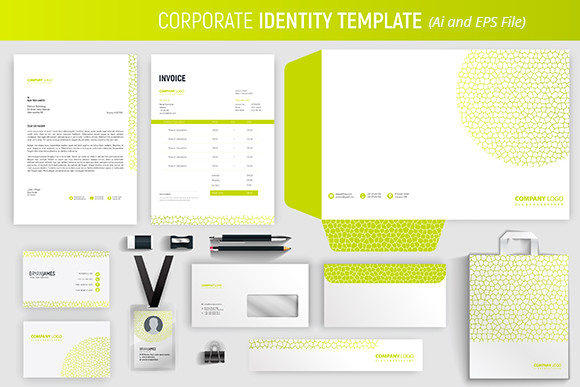
- Mockup Usage: While mockups are useful for visualizing the final look, remember that the images used in previews are typically not included in the actual file. You’ll need to source your own media or replace placeholders accordingly.
Free Fonts and Accessibility
A key feature of many green corporate stationery templates is the use of free, open-source fonts. This makes them highly accessible and eliminates licensing concerns. However, it’s important to ensure that any font chosen complements the overall aesthetic and maintains legibility across different mediums.
Real-World Applications and Examples
Many successful companies integrate green corporate stationery into their branding strategies. For instance, a renewable energy firm might use leaf motifs and soft green tones in its letterhead to emphasize its mission. Similarly, a fashion brand committed to ethical sourcing could present its catalog using recycled cardstock and water-based inks.
Another example is a tech startup that uses minimalistic green-themed email signatures and digital brochures to communicate its innovation and sustainability goals. By maintaining a consistent visual language, the startup reinforces its brand identity and attracts like-minded customers and investors.
Workflow Integration
Integrating green corporate stationery into your workflow requires planning and coordination. Start by selecting a core set of templates that cover all necessary communication needs. Then, train your team on how to edit and maintain these files effectively. With regular updates and thoughtful design choices, your stationery will evolve alongside your brand while staying aligned with your sustainability objectives.
Trends in Green Corporate Stationery
The landscape of corporate design is constantly shifting, and green stationery is no exception. Recent trends highlight a move toward transparency, with brands openly stating the eco-friendly features of their materials. Digital-first approaches are also gaining traction, with many companies opting for online portfolios and digital presentations instead of printed alternatives.
Moreover, the rise of AI-generated design tools has made it easier than ever to create and customize green corporate stationery. These tools streamline the process while still offering flexibility and creativity. Whether you're a designer or a non-designer, leveraging AI and vector-based templates can significantly enhance your productivity and the quality of your outputs.
Combining Sustainability with Creativity
Green corporate stationery doesn't mean sacrificing style for sustainability. On the contrary, it opens up new avenues for creative expression. Designers can experiment with textures, patterns, and layouts that not only look good but also tell a story about the company’s values. The use of editable elements allows for ongoing refinement and adaptation as the company grows and changes.
Implementing Green Corporate Stationery Effectively
To implement green corporate stationery successfully, consider the following steps:
- Define Your Brand Identity: Determine what aspects of sustainability you want to highlight and how they align with your overall messaging.
- Choose the Right Tools: Invest in or download templates that support AI and EPS formats, ensuring they are ready for both print and digital use.
- Train Your Team: Provide basic training on how to edit and manage these files. This empowers employees to update stationery independently without relying heavily on external designers.
- Test Before Printing: Always review your customized design in both digital and print form. This helps catch any inconsistencies or technical issues early on.
- Monitor Feedback: Keep track of how your stationery is perceived by clients and staff. Regular feedback loops help refine the design and ensure it continues to meet expectations.
Common Pitfalls to Avoid
Despite its many benefits, green corporate stationery can sometimes fall short if not approached thoughtfully. Common mistakes include overcomplicating the design, using low-quality eco-materials, or failing to maintain brand consistency across all elements. To avoid these pitfalls, always prioritize clarity, quality, and alignment with your brand’s voice and values.
Conclusion
Green corporate stationery represents a meaningful shift in how businesses approach branding and communication. By combining sustainability with functionality and aesthetics, it enables organizations to express their values clearly and professionally. With the availability of editable templates in AI and EPS formats, customizing your stationery has never been easier or more efficient. Whether you're a small business owner, a designer, or part of a larger enterprise, adopting green corporate stationery is a smart choice that supports long-term success and environmental responsibility.