Streamlining Your Brand with a Professional Business Card Design Template
Creating a polished and professional business card is an essential part of building a strong brand identity. Whether you're launching a new venture, rebranding your company, or simply need to update your personal branding materials, having access to a high-quality Business Card Design Template can make the process significantly easier and more efficient. A well-designed corporate business card serves as a tangible representation of your professionalism and creativity—so choosing the right tools for its creation matters.
Understanding the Role of a Business Card Design Template
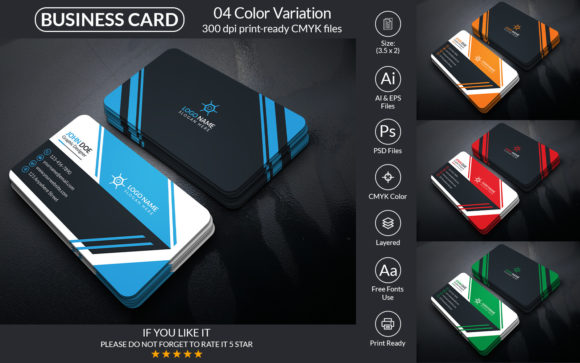
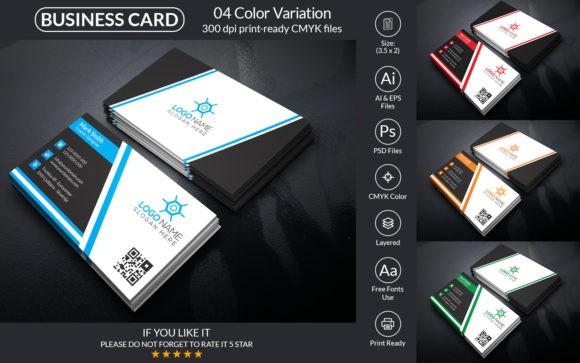
A Business Card Design Template is a pre-structured design file that allows users to customize various elements such as text, colors, images, and layout without needing advanced graphic design skills. These templates are especially valuable in corporate environments where consistency, clarity, and visual appeal are crucial. The template provided includes multiple formats like PSD and AI/EPS files, all at 300 dpi resolution in CMYK color mode—ensuring it's optimized for professional printing.
This type of template fits into a broader marketing and branding workflow by acting as a foundation for your visual communication strategy. It helps maintain uniformity across all printed materials, from brochures to letterheads, reinforcing your brand’s identity wherever it appears.
Preparation: Laying the Groundwork Before Using the Template
Before diving into the customization process, preparation is key. Start by defining the purpose of your business card. Is it for networking events, client meetings, or internal use? Once the goal is clear, gather the necessary information you want to include, such as your name, title, contact details, logo, and any taglines or QR codes.
Next, ensure your software setup matches the requirements of the template. This one works best with Adobe Photoshop and Illustrator CS2 CC or higher versions. If you don’t have these installed, consider using compatible alternatives or cloud-based design platforms that support PSD and AI files. Also, note that while the template provides free fonts, it does not include stock images, so be ready to source your own graphics or logos if needed.
Customization Process: Making the Template Work for You
With the foundational elements in place, you can begin customizing the template. Since this particular version is fully editable with 100 layered components, you’ll find it easy to adjust individual elements like background textures, icons, and text blocks. Each layer is clearly labeled, which speeds up the editing process and reduces the risk of accidentally altering unrelated parts of the design.
The template offers four color variations, allowing you to experiment with different themes or match your brand’s existing color palette. This flexibility is ideal for businesses that operate in diverse markets or professionals who want to create separate cards for different roles or industries. For instance, a digital marketer might choose a bold color scheme for tech conferences and a more subdued one for finance-related meetings.
Keep in mind the standard dimensions (3.5×2 inches) and the bleed area (0.25 inch). When preparing for print, always extend critical design elements beyond the trim line to prevent white edges after cutting. This attention to detail ensures that the final product looks clean and professional.
Integration with Other Tools and Resources
Once your business card is customized, it needs to integrate smoothly with other branding assets. The EPS format included in the template is particularly useful for scalability, making it suitable for use in larger marketing materials like banners or posters. Similarly, the AI files allow for seamless integration with Adobe Creative Cloud workflows, enabling further edits in vector form.
If you’re managing a team or working on a collaborative project, sharing the template with colleagues becomes straightforward. The layered structure means each person can work on specific sections—like updating contact info or redesigning the back panel—without disrupting the overall layout. Version control is also simplified since changes can be tracked within the layers.
Additionally, the help guide included in the download is a handy resource for those less familiar with Adobe software. It outlines how to replace placeholders, adjust colors, and export files for printing. This documentation supports a smoother implementation process and reduces the learning curve associated with using design tools.
Best Practices for Implementation
- Define Brand Guidelines: Before customizing the template, establish a set of brand guidelines including font styles, color codes, and logo placement. This ensures that your business card aligns with your broader marketing efforts.
- Test Print Quality: Always do a test print before ordering large quantities. Even though the template is optimized for 300 dpi, printer settings and paper quality can affect the outcome. Confirm that the colors appear as expected in CMYK mode.
- Use High-Resolution Images: If incorporating photographs or graphics, make sure they are at least 300 dpi. Low-resolution images may look fine on screen but will lose quality when printed.
- Maintain Consistency: Use the same template across all your business cards to maintain a consistent look and feel. This builds brand recognition and makes your materials feel more cohesive.
- Consider Long-Term Use: Choose a design that won’t become outdated quickly. Avoid overly trendy fonts or layouts unless you plan to refresh your cards annually. A timeless design contributes to long-term cost efficiency.
Workflow Examples and Real-World Applications
Here’s how the Corporate Business Card Design Template can fit into different workflows:
- Marketing Campaigns: As part of a campaign launch, use the template to produce business cards aligned with promotional materials. This reinforces the message and visuals across all touchpoints.
- Team Onboarding: When bringing on new employees, provide them with a copy of the template. They can personalize their cards with their names and roles while maintaining brand alignment.
- Event Preparation: Prior to attending industry events or conferences, create a batch of business cards using the template. The design should reflect the event’s theme and your professional role within the organization.
- Client Presentations: Include a business card in your presentation folder or hand it out during meetings. A well-designed card adds credibility and gives clients a lasting impression of your professionalism.
Ensuring Usability and Compatibility
One of the most significant advantages of this template is its compatibility with major design software. By supporting both Photoshop and Illustrator, it caters to a wide range of designers, from beginners to seasoned professionals. However, it’s important to verify that all collaborators are using a compatible version of the software to avoid issues with missing features or corrupted files.
Usability is enhanced by the inclusion of organized layers and intuitive naming conventions. This makes it easy to navigate the design even if you’re new to the template. Additionally, the 12 AI and EPS files offer versatility for different design scenarios, whether you need a simple front/back layout or something more complex with interactive elements.
Quality Control and Final Output
To ensure the highest quality output, follow these steps after finalizing your design:
- Double-check all text for typos or formatting errors.
- Verify that all elements (logo, contact info, etc.) are correctly placed and sized according to the template specifications.
- Export the file in the correct format required by your printer. Most printers accept PDFs, so converting the final design to a press-ready PDF is often the best practice.
- Print a small batch first to assess the physical result. Check for color accuracy, alignment, and material quality.
By taking the time to review these aspects, you minimize the risk of costly mistakes and maximize the impact of your finished product.
Long-Term Benefits and Maintenance
Using a structured Business Card Design Template not only saves time initially but also supports long-term maintenance of your brand identity. As your business evolves, you can easily update the template rather than starting from scratch each time. This adaptability is especially beneficial for startups and entrepreneurs who frequently refine their branding as they grow.
Moreover, keeping the template in a shared drive or design management system allows for quick updates and distribution. If you ever need to revise your business card due to a new address, phone number, or logo change, the layered nature of the template lets you make adjustments efficiently without losing the original design integrity.
Conclusion
Incorporating a Business Card Design Template into your workflow is a practical way to maintain professionalism and save time. With its high-resolution, CMYK-ready files and extensive customization options, this template is designed to meet the needs of modern professionals. Whether you're preparing for a conference, onboarding new staff, or simply looking to enhance your personal brand, the right business card template can help you achieve a consistent, high-quality result every time.